
Professional marine surveying is about understanding the vessel as a whole—from structural condition and machinery to the systems people rely on every day. Here is what owners, buyers, and marine professionals should know.
Start with access, housekeeping, and visible condition
Engine rooms contain systems that support propulsion, power, cooling, steering, and safety. The surveyor looks for safe access, secured equipment, evidence of overheating, corrosion, poor maintenance, water accumulation, and unusual odors. Inspection is limited to accessible areas; components hidden behind panels or inside machinery may need specialist examination.
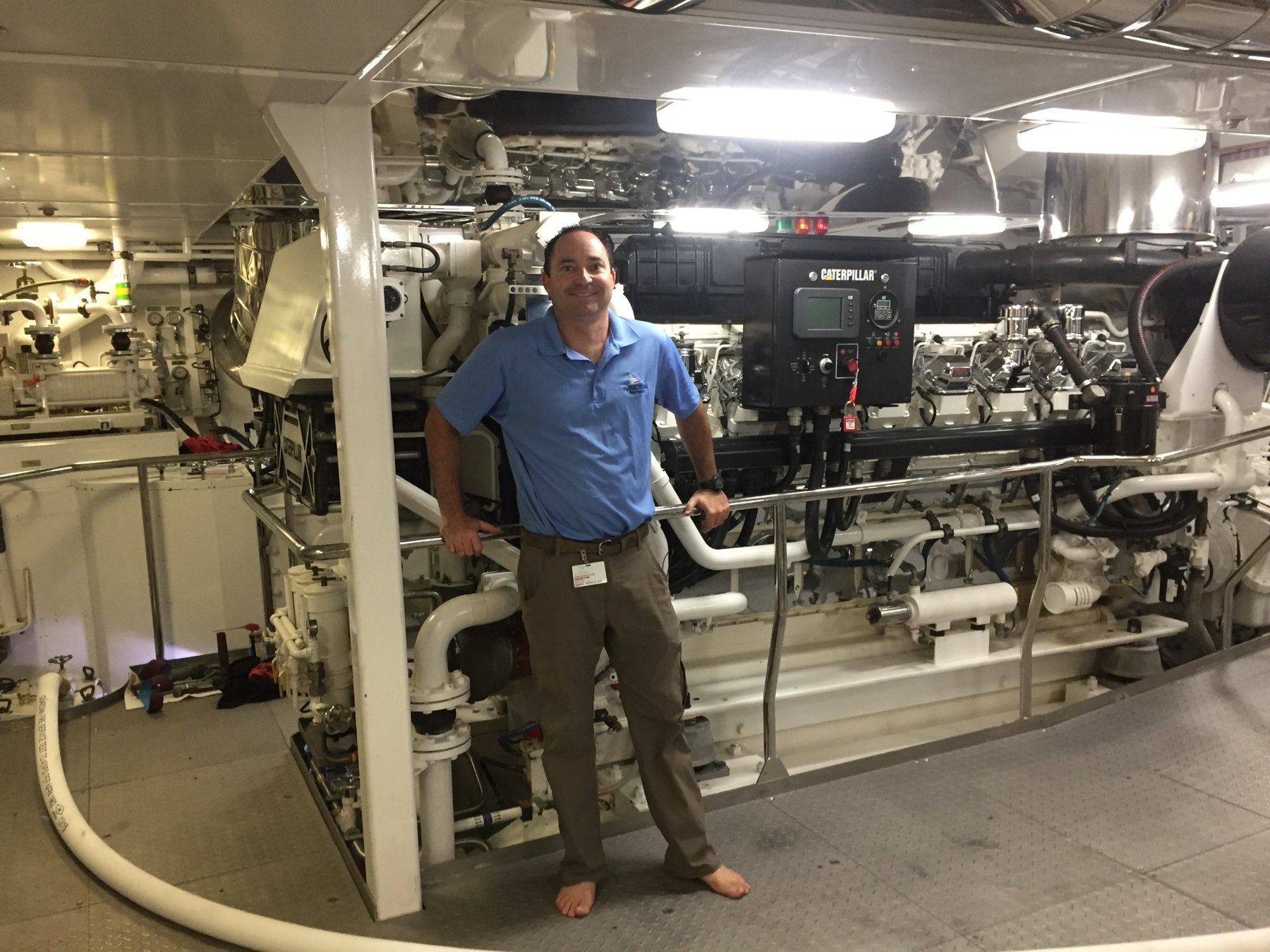
Seawater hoses, clamps, and cooling circuits
Seawater systems are inspected for deteriorated hoses, chafe, unsupported runs, corrosion, leaks, and unsuitable or loose clamps. The appropriateness of double clamping depends on the fitting, hose, and applicable standards; two clamps are not automatically safer if they are improperly installed. Seacocks and strainers should be accessible and serviceable. A failed below-waterline hose or fitting can create a serious flooding hazard.
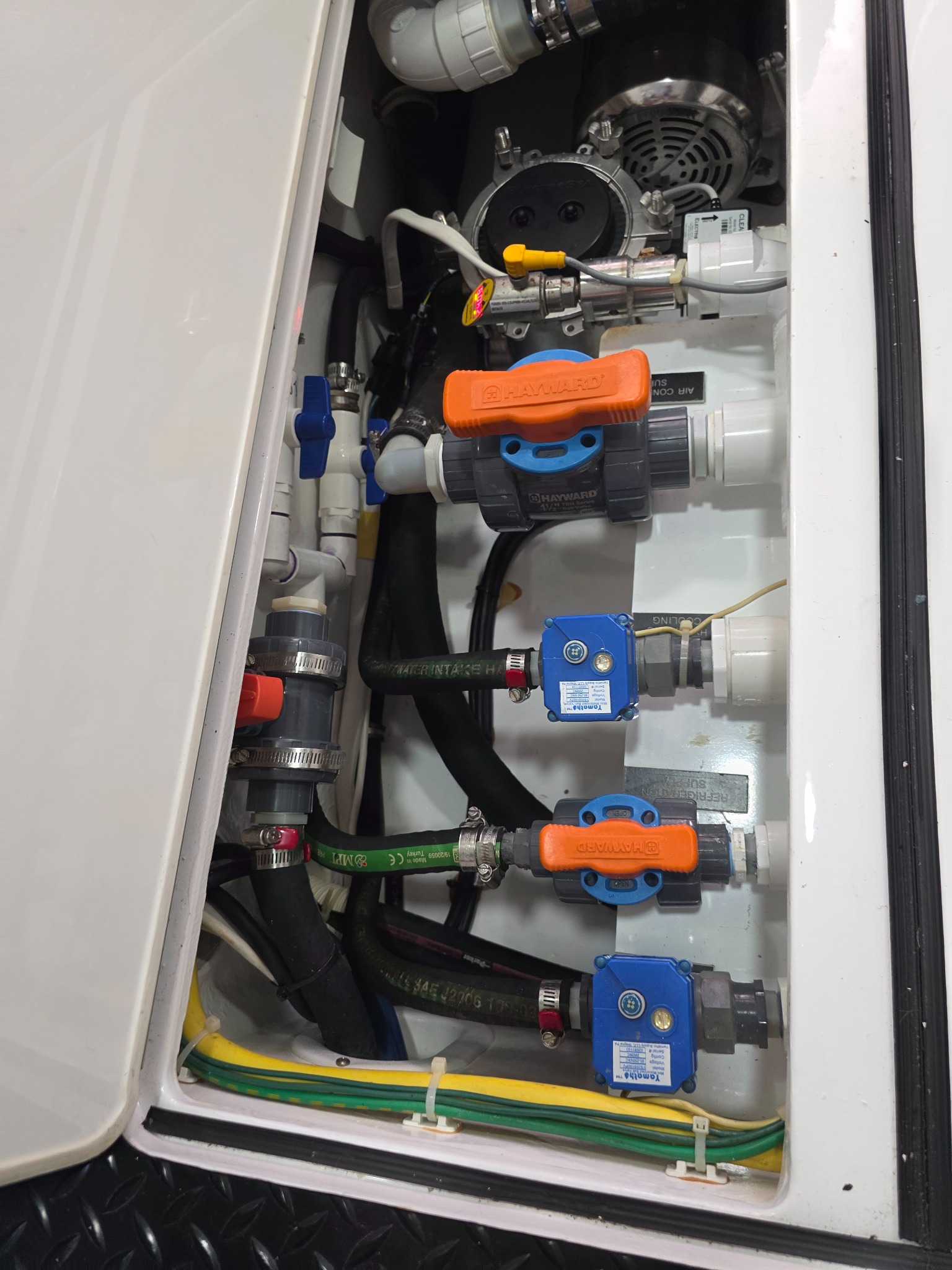
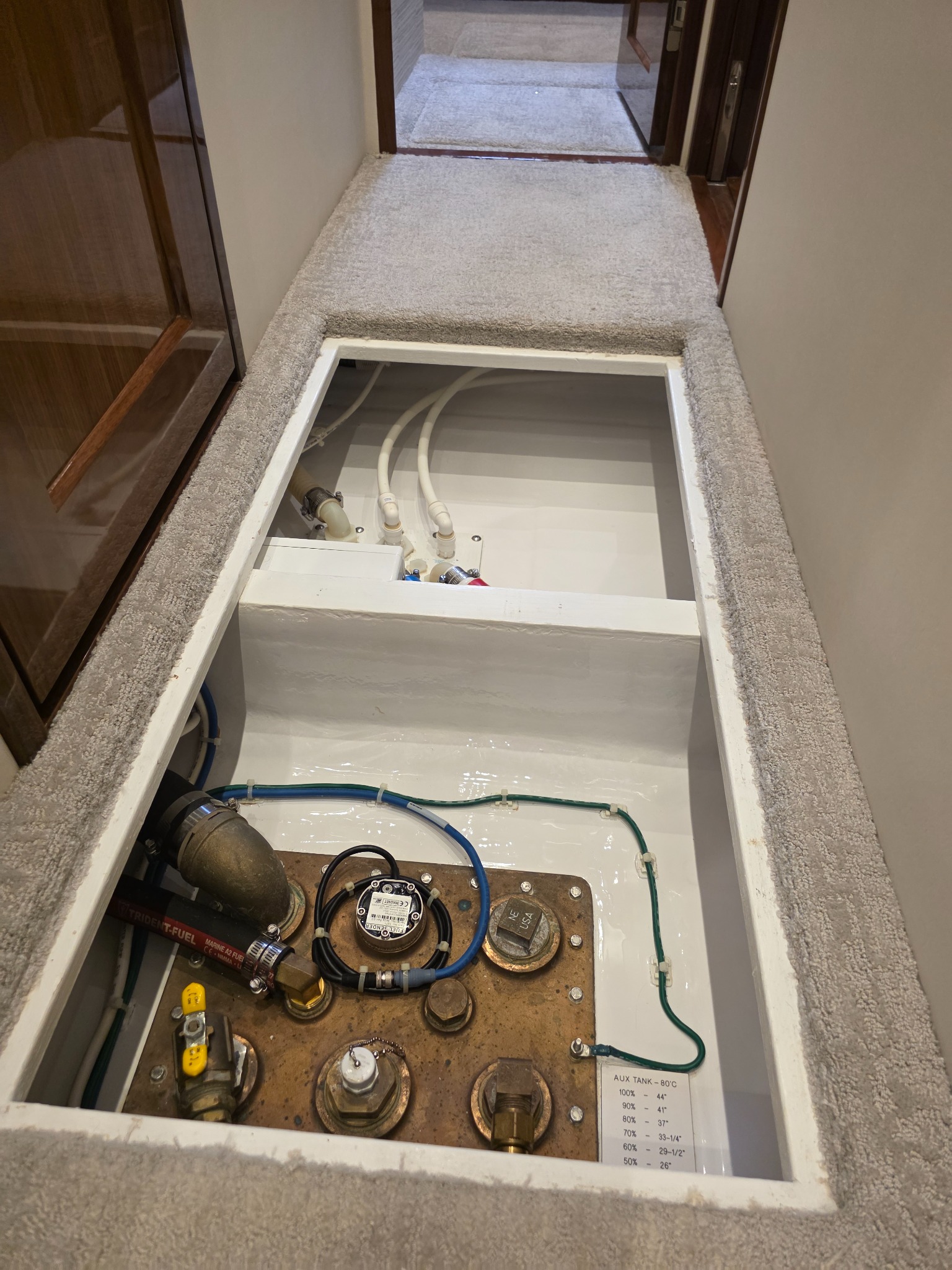
Fuel systems and hydraulic oil
Accessible fuel lines, filters, tanks, connections, and supports are examined for leakage, deterioration, and questionable routing. Diesel odors or staining should not be dismissed. Hydraulic steering and other hydraulic equipment are checked for visible leaks, hose condition, and fittings. A small leak can signal a developing problem even when the equipment still operates.
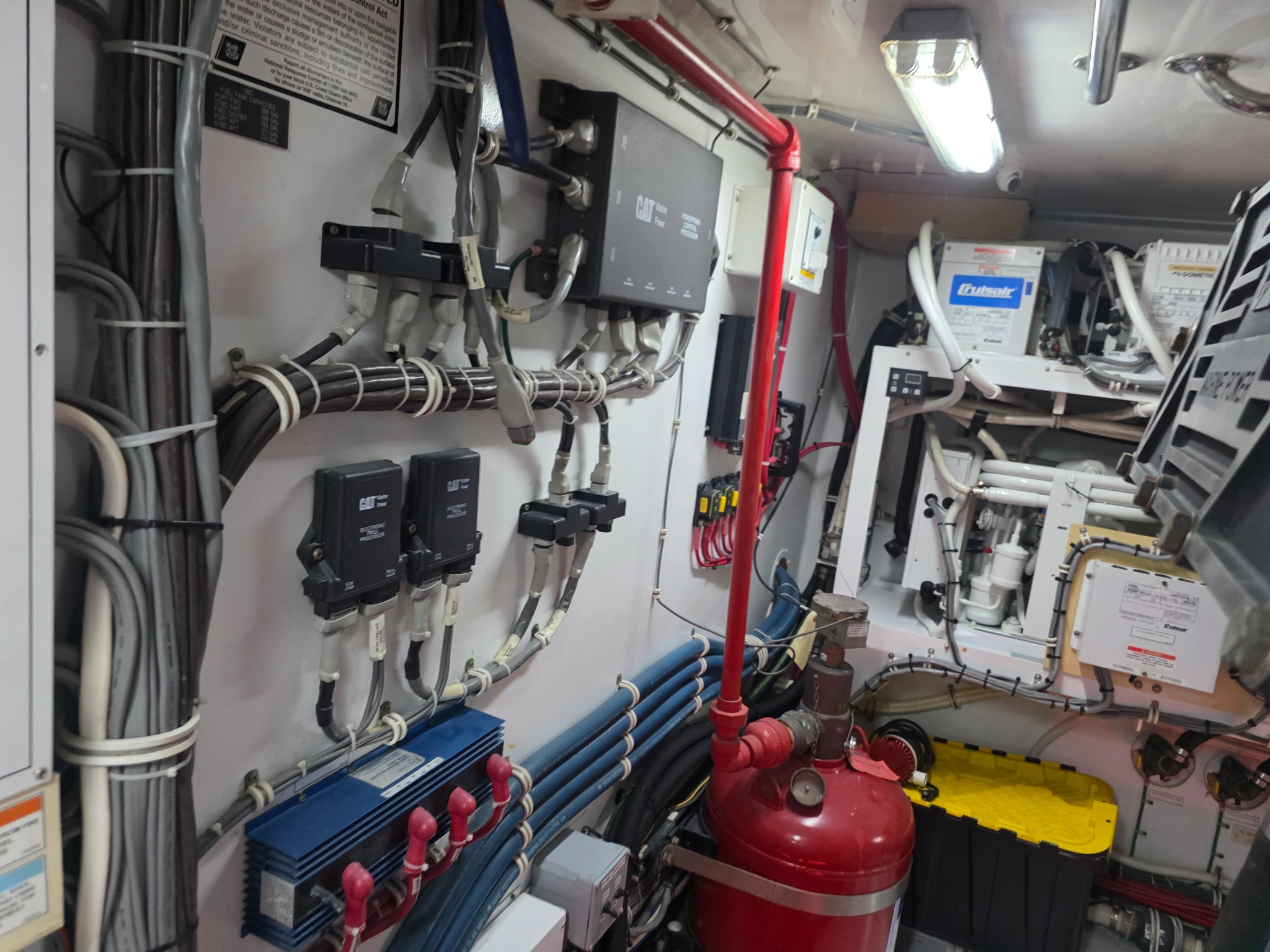
Electrical power and machinery monitoring
Battery installations, wiring support, terminations, chargers, generators, and shore-power connections may reveal heat damage, corrosion, poor strain relief, or inappropriate alterations. The surveyor can review available gauges, alarms, and displays during operation, but displayed readings do not replace manufacturer-specific diagnostics or an engine specialist’s assessment.
Bilges, pumps, and alarms
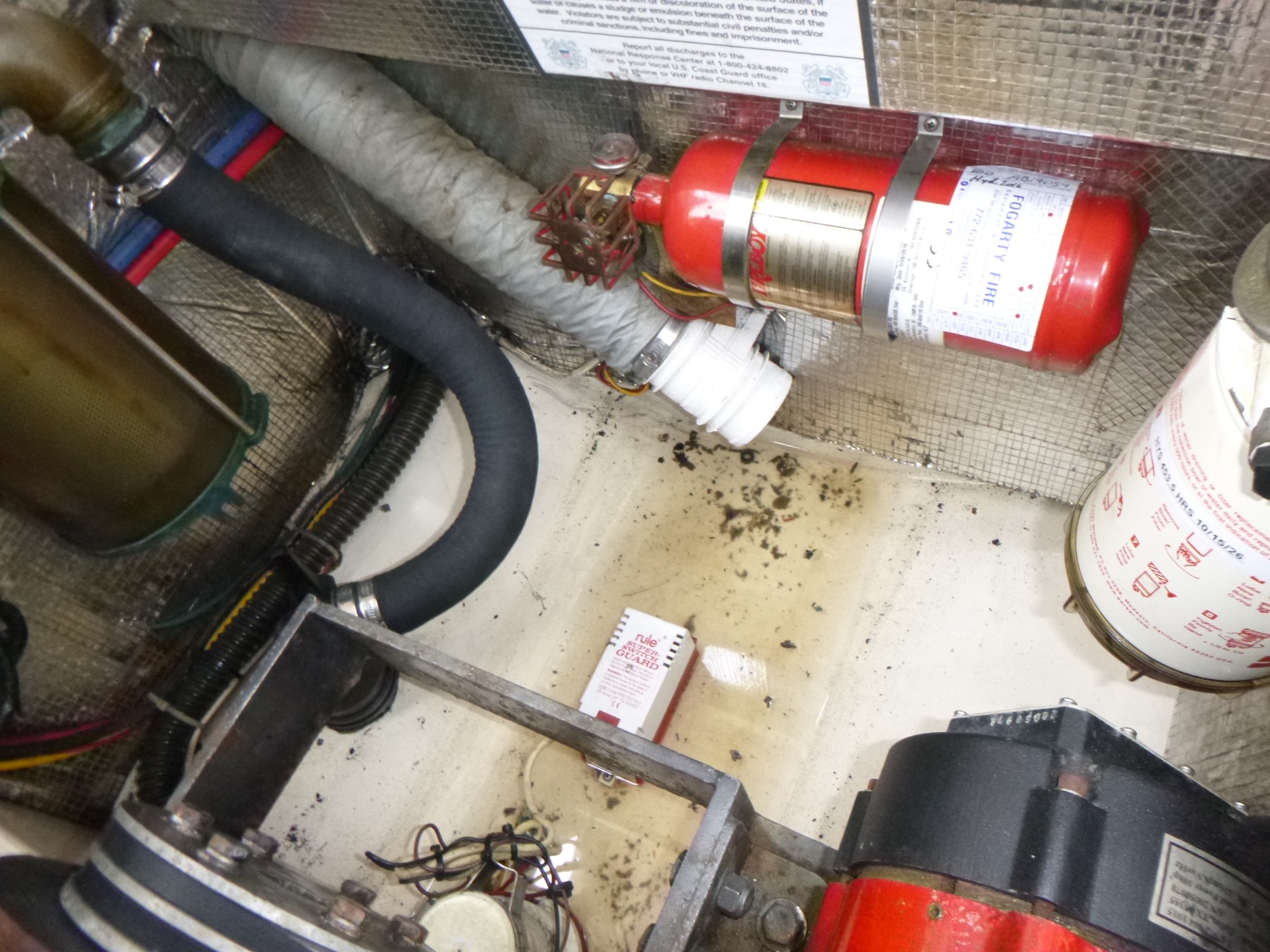
Bilge water deserves a closer look: is it fresh or salt, clean or contaminated, persistent or intermittent? Automatic pumps and float switches should be checked where accessible and practical, together with high-water alarms. Pumps are not a substitute for keeping deck drains clear, controlling leaks, or maintaining watertight integrity. A vessel can be overwhelmed if water enters faster than it can be removed.
Pollution prevention and specialist follow-up
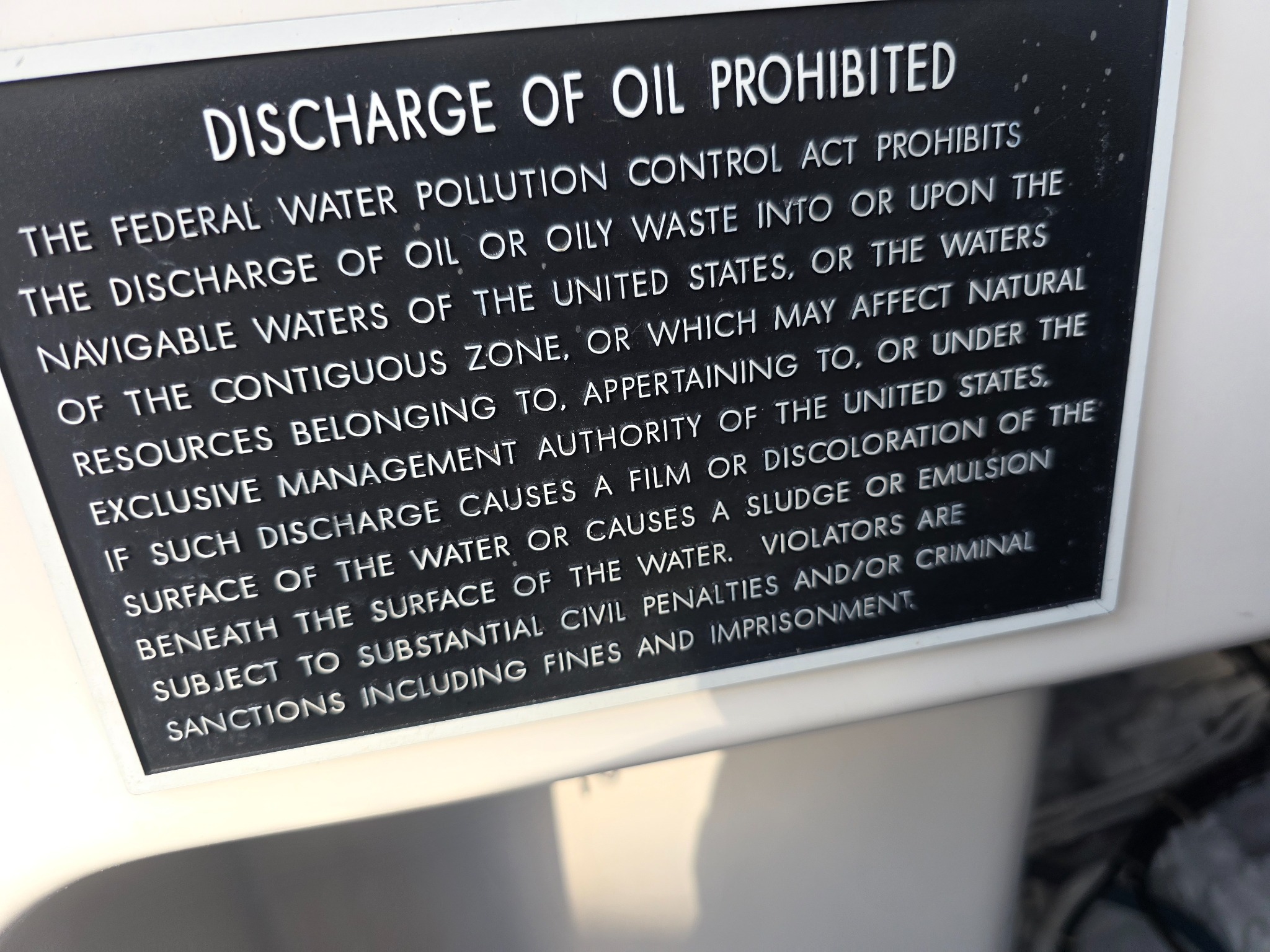
Bilge water contaminated with oil or fuel should not be casually discharged overboard. Applicable pollution rules vary with location and circumstances; contaminated water should be contained and handled through appropriate facilities. Suspected machinery defects may warrant a mechanic, engine surveyor, electrician, or fluid-analysis specialist. The marine survey report should state those recommendations clearly.
Inspection scope and testing depend on the vessel, access, operating conditions, safety, and the agreed survey services. Observations described here are educational and do not replace an inspection of a specific vessel.